
What is osteopathy?
Osteopathy is a manual therapy that focuses on restoring normal mobility to the body. The basic principle is that where tissue is mobile, complaints have no chance of developing. Loss of mobility can manifest itself in complaints such as back pain, coccyx pain, neck pain, abdominal pain, headaches, migraines, restlessness or, for example, poor posture. Loss of mobility can be caused by external forces or by processes within the body itself. Overloading of tissue plays a central role in this.
Loss of movement
Excessive external forces affect the quality of tissue, leading to loss of movement, which can cause stiffness and hardening. This can occur, for example, after a hard fall (such as falling on the tailbone) or bruising, after surgery, a bone fracture, but sometimes also after complicated dental treatment. A difficult delivery or vacuum extraction, during which the baby’s skull suffers a great deal, can also lead to loss of movement.
Read more about osteopathy for babies and children »
Processes within the body itself
The following processes that take place within the body itself can cause complaints:
- heredity; certain families naturally have a stiffer build
- inflammation in tissues can leave scars
- overloading due to poor nutrition can cause a build-up of waste products, causing tissue to harden
- prolonged stress affects the adrenal glands and intestines, anxiety causes stiffness
Origin of complaints
We often see that complaints do not originate where the primary cause is located and that there can be a considerable period of time between the origin and the complaint for which the patient seeks treatment. A few examples:
- A fall on the tailbone can cause headaches or dizziness over time.
- Abdominal surgery can cause bowel problems, back pain, headaches, neck and shoulder complaints over time.
Complementary medicine
Osteopathy is a complementary medicine. This means that osteopathy supplements conventional medicine and is a useful method alongside conventional treatment methods. Osteopathy is also based on the interrelationships between anatomy, physiology and embryology, just like conventional medicine. Osteopathy distinguishes between three systems: the parietal, visceral and craniosacral systems.
Parietal system of osteopathy
The parietal system consists of the musculoskeletal system of the human body, comprising the spine, the limbs with all their joints, muscles, tendons and ligaments. Pain in the musculoskeletal system can be caused by loss of movement of the musculoskeletal system due to an accident, infection, chronic condition such as rheumatism or overexertion. The osteopath examines the entire musculoskeletal system and looks for relationships between the movement restrictions found and treats these restrictions if necessary.
Visceral system of osteopathy
The visceral system consists of the internal organs with their suspension system, blood vessels and lymphatic system, for example in the throat, chest and abdominal cavity. Each organ has a certain degree of mobility, linked to its structure, suspension system and embryological development. These movements are mainly unconscious, such as those of the lungs, heart and intestines. In addition, there are also unconscious movements caused by the diaphragm. In addition to its function in relation to breathing, the diaphragm has a pumping function for the abdominal organs. This stimulates blood circulation and improves bowel function. Loss of this mobility can lead to complaints affecting the musculoskeletal system, the skull and, of course, the organ itself.
Craniosacral system of osteopathy
The craniosacral system comprises the skull, or cranium, the spinal canal complex from the cranium to the sacrum (sacral bone) with nerve supply and fluid circulation. The cranium consists of 20 different bone pieces separated from each other by cranial sutures. Every structure in the body has a degree of flexibility, including the cranium. A hard fall, birth, or ear infection can lead to complaints that manifest themselves locally, but also elsewhere in the body.
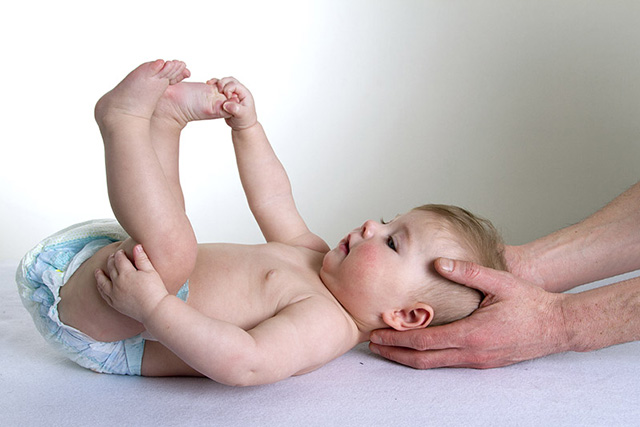
Preferred position for your baby?
A baby has a preferred position when it always lies with its head turned to the same side. This is not desirable, but it is not dangerous. When a baby has a preferred position, this can lead to flattening of the skull. It can also affect motor development. What exactly is a preferred position? A preferred position occurs …
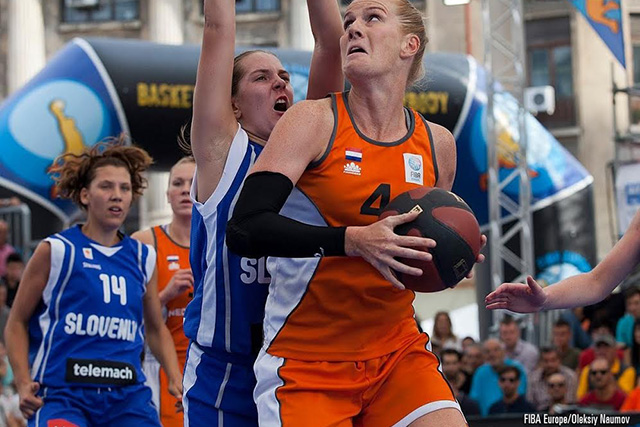
Top athletes also choose osteopathy
Basketball player Karen Heinen benefits greatly from osteopathy We are increasingly reading reports in the media that (top) athletes choose to be treated by an osteopath when they suffer an injury. Well-known athletes such as footballers Arjan Robben, Robin van Persie, Wesley Sneijder and Didier Drogba, tennis player Robin Haasse and cyclist Bauke Mollema (and other cyclists too, for that matter) are …
Book an appointment online
You can schedule an appointment with osteopath Jop Mur directly using the online calendar.